ANTHROPOLOGY
What is Anthropology?
Anthropology is the study of humankind, past and present. Anthropology is an almost imperceptibly vast and interdisciplinary area of study. There are four broad overlapping groups within the science of anthropology: socio-cultural, biological, archeological and linguistic. Socio-cultural anthropology encompasses Tamasin's areas of training. Tam's expertise is in: medical anthropology, environmental anthropology and the anthropology of religion.
Participant observation is what anthropologists do.
Ethnography is what anthropologists write.
Emic (outsider) and etic (insider) are two sides of a spectrum of positions from which anthropologists write to establish qualitative rigour.
Anthropologists are generally trained to doctorate level, affirming their specialised skill set, ability to conduct independent scholarly research, and capacity for critical and reasoned thinking.
As social scientists, anthropologists are valued for their ability to offer thick, in-depth, contextualised scientific descriptions, observations and experiences of a particular field, group, class or community. These data are then used to bring political and social change.
Anthropologists are employed as teachers, researchers and consultants, as the insights gained through anthropological study may bring significant benefits and capacity for constructive change within governments, industry, organisations, social groups and grassroots communities.
Anthropologists are either academic (working primarily within a university setting) or applied (working primarily in the field). Dr Ramsay is an applied anthropologist. Below are her areas of work, briefly described.
environmental anthropology
Environmental anthropology explores the relationship between human animals, non-human animals and the living energies of the material world, with the aim of restoring ecosystem balance in a deeply interdependent world, to ensure the wellbeing and happiness of current and future generations.
medical anthropology
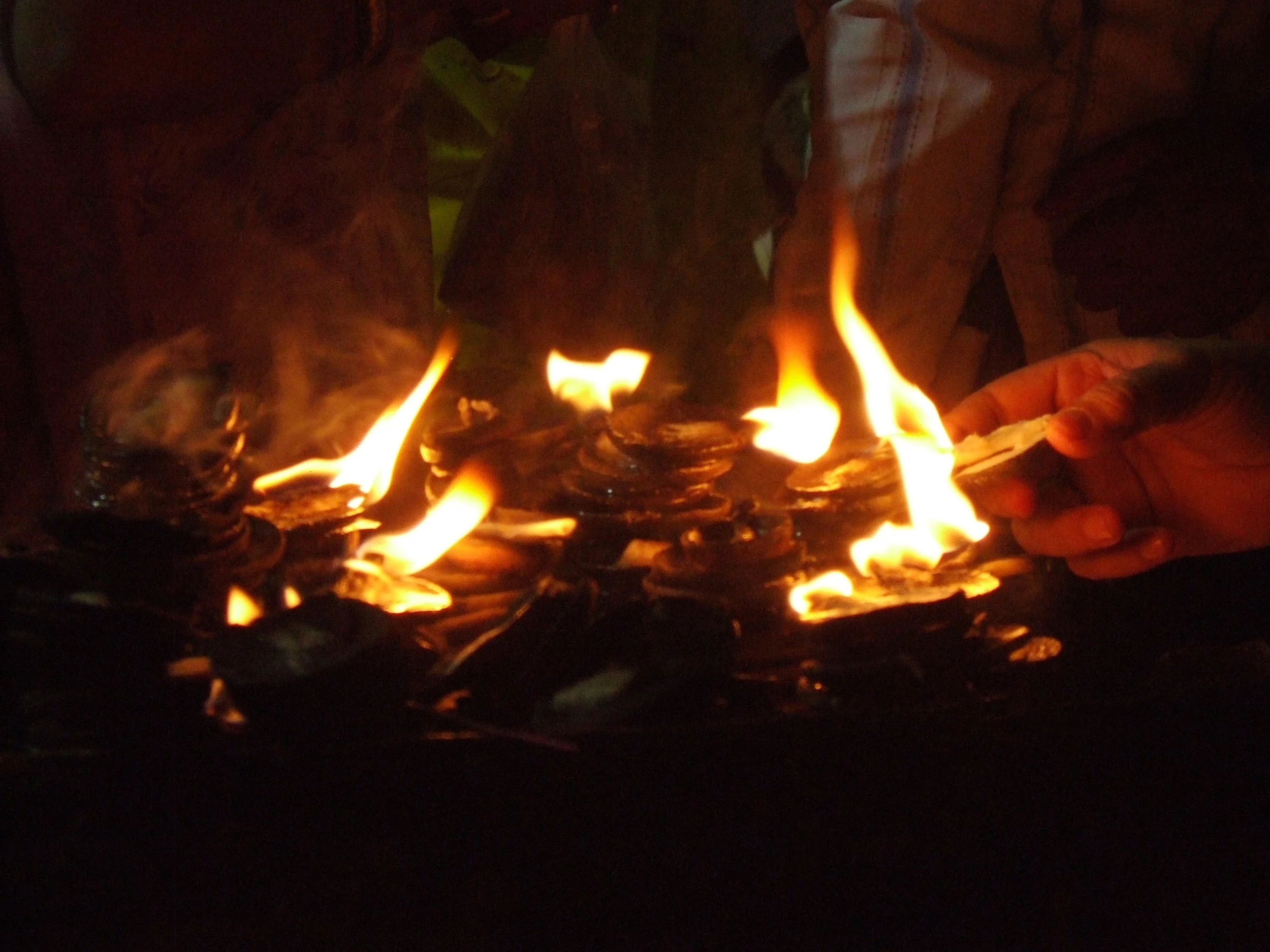
Medical anthropology is a way of looking at the complicated world of health and wellbeing from a multidimensional perspective. Medical anthropologists seek to better understand health factors within specific contexts, including social, environmental, linguistic, biological and political with the aim to improve human health and wellbeing globally, in ways that are contextually revelent and meaningul to those most affected.
anthropology of religion
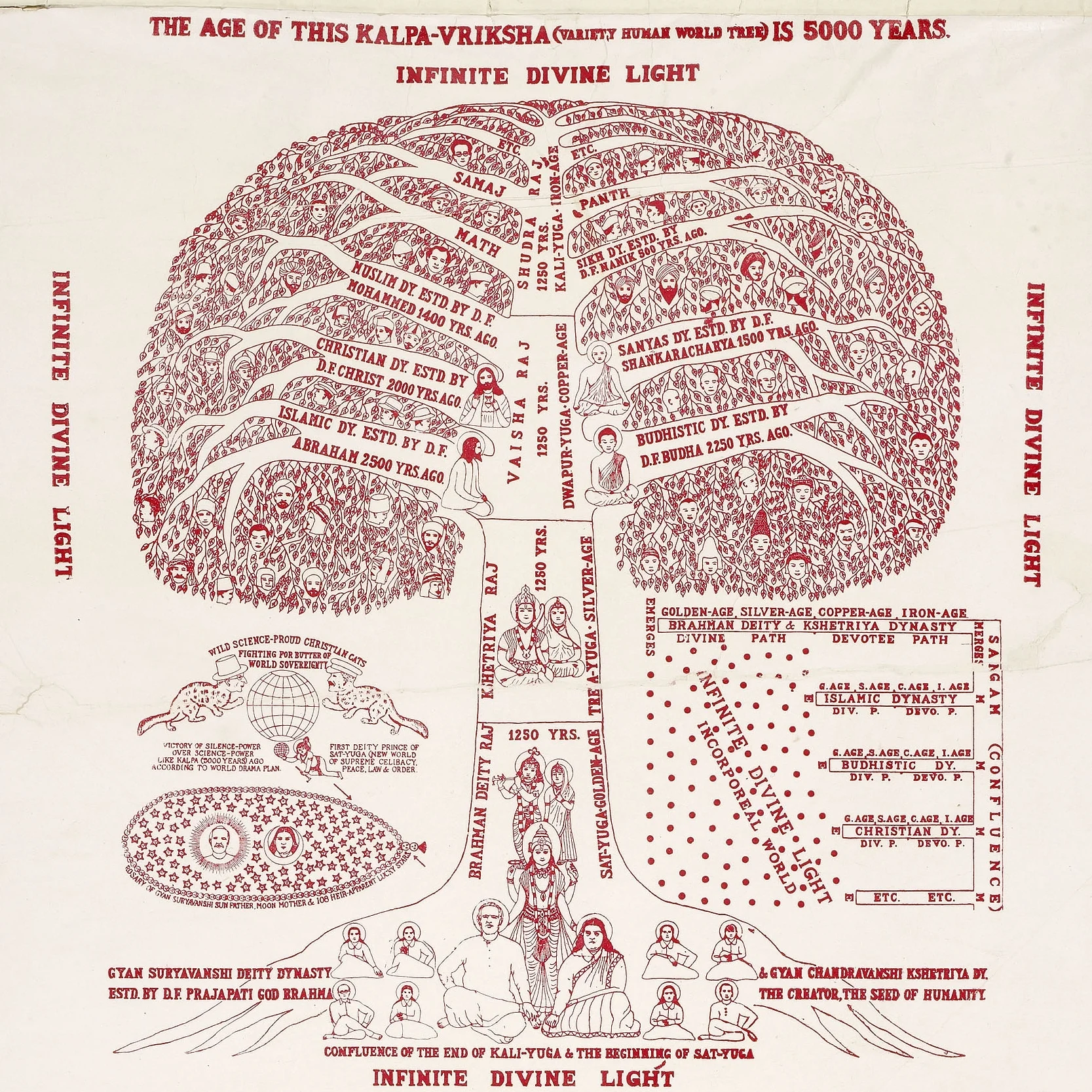
Anthropologists who study religion even question the presumptive term 'religion' as to what it truly means. They also explore the ways in which beliefs, meaning and faith are constituted in different contexts, and the way in which these are expressed. Some compare religions broadly with each other, others do indepth analyses of specific religions.